Source Handmade Carved Buddhism Piggy Bank for Home, Gift, and Decor
Compare 30 listings for handmade carved buddhism piggy bank options featuring glass, wood, and animal designs. Buyers can evaluate specifications, pricing, and customization capabilities from verified suppliers in China and Taiwan; compare the available evidence and request quotations based on your requirements.
Key considerations
Products List






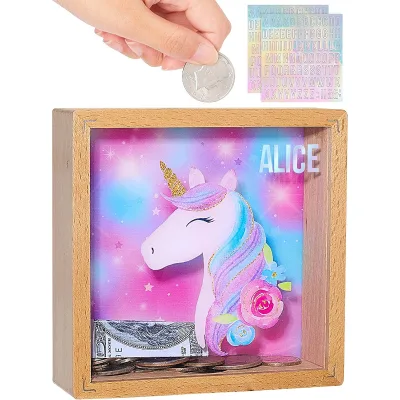
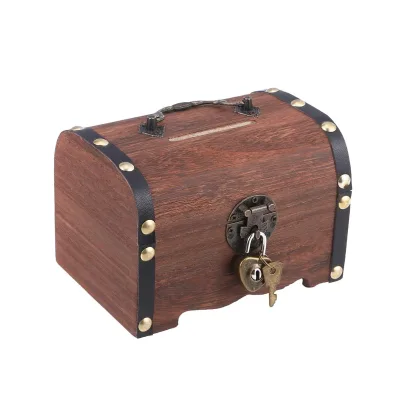


Comprehensive Sourcing Guide
Handmade Carved Buddhism Piggy Bank Sourcing Guide
Sourcing handmade carved Buddhism piggy banks requires a nuanced understanding of artisanal craftsmanship and cultural symbolism. These items often serve as decorative pieces or functional savings tools, blending spiritual aesthetics with everyday utility. Buyers must distinguish between mass-produced resin imitations and genuine hand-carved wooden or glass alternatives. The market offers diverse materials, including solid wood and glass, each presenting unique challenges in quality verification and supply chain management.
Procurement teams should prioritize suppliers who demonstrate transparent manufacturing processes. Observing the making method is critical, as handmade items vary significantly in finish and detail. Understanding the regional features, such as those originating from China or Taiwan, helps in assessing cultural authenticity and production capabilities. This guide outlines the essential steps for verifying product integrity, ensuring that the final goods meet both aesthetic expectations and functional requirements for your specific market needs.
Product Scope and Observed Listing Signals
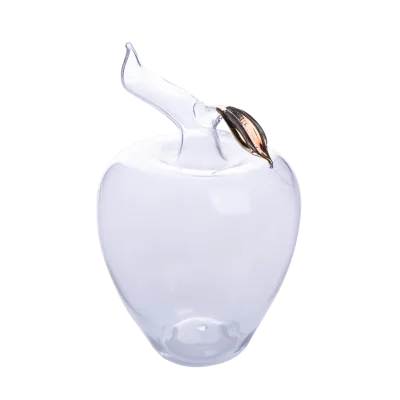
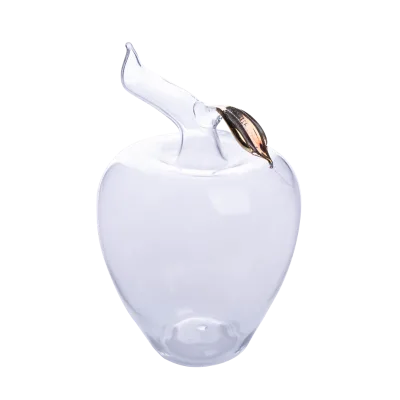
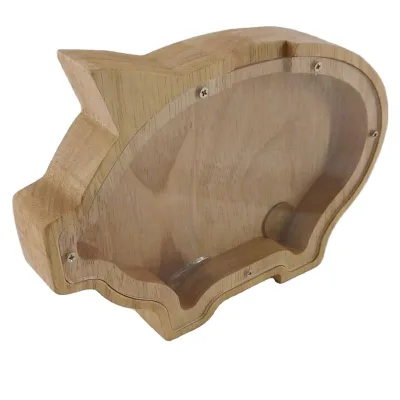
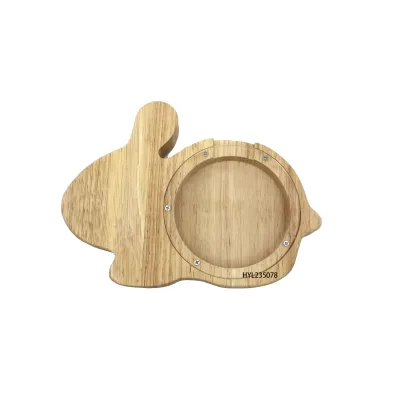
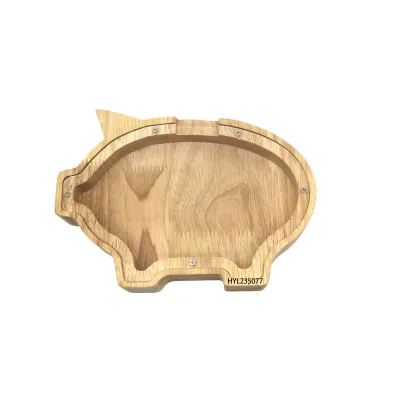
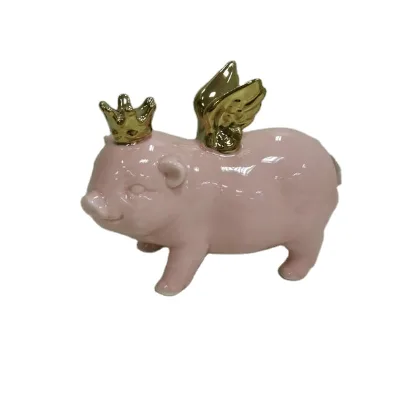
The current market landscape for piggy banks reveals a wide variety of designs, ranging from animal-shaped figures to fruit-inspired forms. Observed listings indicate a strong presence of glass piggy banks, including specific models like glass apple designs, alongside solid wood options. These products often feature themes such as animals or folk art styles, catering to diverse decorative preferences. Buyers should note that while some items are explicitly labeled as handmade, others may rely on semi-manufactured processes, requiring careful inspection of the final finish.
Price points and minimum order quantities (MOQs) vary considerably across different material types and design complexities. The observed price range spans from approximately $0.70 to $5.07 per unit, reflecting differences in material costs and labor intensity. MOQs can start as low as two units for samples but often rise to 1,000 boxes for bulk orders, particularly for custom wooden designs. This disparity suggests that smaller buyers may need to negotiate sample fees or consolidate orders to achieve viable unit economics, while larger buyers can leverage volume for better pricing tiers.
Technical Specifications to Verify
Verifying technical specifications is paramount when sourcing handmade items, as dimensions and weights can fluctuate due to the artisanal nature of production. Key attributes to confirm include the single package size, which may vary from compact dimensions like 19x14x2.8 cm to larger boxes measuring 29x24x13 cm. Buyers must also check the gross weight, which can reach up to 1.000 kg per unit, impacting shipping costs and storage requirements. Ensuring that the model number and product type align with your catalog is essential to avoid receiving mismatched inventory.
Material composition and functional features also require strict verification. Products may be made from glass or solid wood, with finishes ranging from transparent to glossy. Functional aspects such as eco-friendly properties, storage capabilities, and even discoloring effects should be confirmed against your product requirements. Additionally, check if the item includes a lock mechanism, as some designs are open while others are secured. Confirming the packing method, whether individually boxed or in brown boxes, ensures that the goods arrive in suitable condition for retail display or direct shipment.
Compliance and Safety Documentation
Safety compliance is a critical consideration, especially if the piggy banks are intended for children or household use. While specific certification statuses may not be universally guaranteed, buyers should request documentation related to material safety and manufacturing standards. In regions like Europe, adherence to standards such as EN71 is often expected for toys and decorative items that may come into contact with children. Procurement teams must verify that the materials used, whether wood or glass, are free from harmful substances and meet local regulatory requirements.
Documentation should also cover quality control processes and origin verification. Suppliers often claim 100% inspection before packing, which is a positive indicator of quality assurance. Buyers should request evidence of this process, such as inspection reports or photos of the QC workflow. Additionally, verifying the place of origin, whether from Shandong, China, or Taiwan, China, helps in assessing the reliability of the supply chain. Ensuring that all compliance documents are up-to-date and verifiable protects your brand from potential legal issues and consumer safety concerns.
Cost Drivers and Commercial Terms
Several factors influence the final cost of handmade carved Buddhism piggy banks, including material selection, design complexity, and order volume. Solid wood and glass materials have different base costs, and the level of hand-carving or detailing can significantly impact labor expenses. Custom designs, such as those accepting OEM logos or specific animal shapes, may incur additional setup fees or higher unit prices due to the specialized craftsmanship required. Buyers should also consider the cost of samples, which are often paid and available for approval before bulk production begins.
Commercial terms, including payment structures and shipping logistics, play a crucial role in overall procurement costs. The port of dispatch, such as Keelung, affects shipping routes and transit times, which can influence inventory planning and cash flow. Buyers should negotiate clear terms regarding packaging, ensuring that items are securely packed to prevent damage during transit. Additionally, understanding the selling units and whether items are sold as single pieces or sets helps in calculating accurate landed costs. Transparent communication about these terms prevents unexpected expenses and ensures budget alignment.
Supplier Qualification and Quality Control
Evaluating supplier qualifications involves assessing their production capacity, craftsmanship consistency, and ability to meet custom requirements. Suppliers offering OEM services and logo acceptance demonstrate flexibility, which is valuable for branded products. However, buyers must verify the supplier’s ability to maintain consistent quality across large orders, as handmade items can vary. Requesting samples is a critical step in this process, allowing you to inspect the finish, material quality, and functional aspects firsthand before committing to a larger purchase.
Quality control measures should be rigorously enforced throughout the production process. Suppliers claiming 100% inspection before packing should provide detailed QC reports or allow third-party inspections. Buyers should define clear acceptance criteria for defects, such as cracks in glass or uneven carving in wood. Establishing a robust quality control protocol ensures that only products meeting your standards reach your customers. Regular communication with the supplier regarding production progress and quality checks helps in identifying and resolving issues early, minimizing the risk of receiving substandard goods.
Long-Term Procurement Checks
Establishing long-term procurement relationships requires ongoing monitoring of supplier performance and product consistency. Regular audits of production facilities and quality control processes help maintain high standards over time. Buyers should track key performance indicators such as on-time delivery rates, defect rates, and responsiveness to issues. Continuous feedback loops with the supplier facilitate improvements and ensure that the products remain aligned with market trends and customer expectations. This proactive approach strengthens the partnership and reduces the risk of supply chain disruptions.
Adapting to market changes and evolving customer preferences is essential for sustained success. Monitoring trends in decorative piggy banks, such as shifts in popular themes or materials, allows buyers to adjust their sourcing strategies accordingly. Exploring new designs, such as fruit-inspired or animal-shaped variants, can help diversify your product offering. Additionally, staying informed about regulatory changes and sustainability trends ensures that your products remain compliant and appealing to environmentally conscious consumers. Long-term success depends on agility, continuous improvement, and a deep understanding of your target market.
FAQs
How are these piggy banks made?
These piggy banks are handmade using solid wood or glass materials. The production process involves skilled artisans crafting each piece to ensure unique designs and high-quality finishes suitable for home decoration or business gifts.
What materials are used for the piggy banks?
The products are crafted from solid wood or glass, offering distinct textures and durability. Some models feature animal shapes or fruit themes, while others are designed as simple storage banks for saving money effectively.
Can I request custom designs for these banks?
Yes, custom designs are available through OEM services. Buyers can request specific logos, shapes, or themes, provided they meet the minimum order quantity requirements which vary by supplier and product specification.
What is the minimum order quantity for these items?
Minimum order quantities range from 2 to 5000 units depending on the specific product model and supplier. Some items require 1000 boxes, while others may accept smaller orders for sample testing or small business needs.
Where are these piggy banks manufactured?
These items originate from China, with specific production locations including Shandong and Taiwan. The regional features often align with European styles, ensuring the products meet international aesthetic and quality expectations for various markets.
How are the products packaged for shipping?
Products are individually packed in brown boxes or single-piece sets to ensure safety during transit. Each package includes specific dimensions and gross weights, facilitating efficient logistics and handling for bulk orders.
Are samples available for these piggy banks?
Samples are available and can be paid for upon request. This allows buyers to inspect the quality, material, and design before committing to larger orders, ensuring the product meets their specific business or personal requirements.